

Stained vs. Natural Wood: How to Choose a Color That Lasts
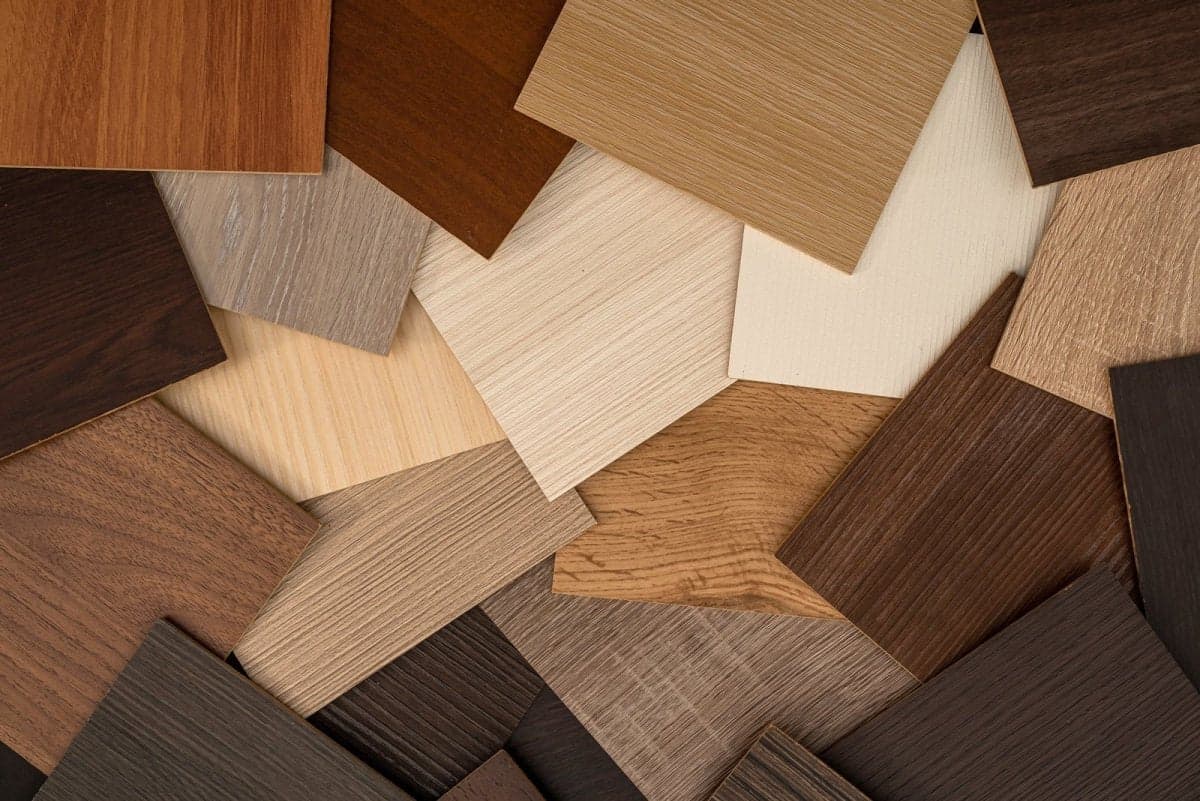
Every week someone asks us to make maple look like walnut, or white oak look like espresso. The answer is usually yes — stain on solid hardwood is a legitimate, durable choice — but the better question is when stain is the right tool and when the honest move is picking a different board. Here's how we think about it at the shop.
What stain actually does
A stain is pigment carried into the wood's surface, then locked under our zero-VOC hardwax oil. Unlike paint, it doesn't hide the grain — it recolors it. The cathedral figure, the rays, the pores all stay visible; only the tone shifts. That's why the same “Chocolate” reads completely differently on white oak (bold pores drink the pigment) than on maple (tight grain keeps it even). We display every stain on every species for exactly this reason.
When stain is the right call
- Matching what's already there. Cabinets, floors, millwork — matching existing wood is a species-plus-stain question, and stain gives you fine control a natural board can't.
- Premium look, accessible board. A stained ash or maple gets remarkably close to walnut's depth at a much lower rate. Same solid hardwood, same finish, smaller invoice — the levers are on our pricing page.
- Consistency across a run. Restaurant tops and multi-piece projects stain to a controlled, repeatable tone across every board.
When natural wins
- The color you want already grows on a tree. Want dark brown? Walnut does it without a drop of stain — and unlike stain, its color runs all the way through, so decades of wear and refinishing never expose a lighter core. Near-black? Wenge and Macassar Ebony read black naturally.
- Exotics. Padauk, Wenge, Ebony, and Iroko ship natural-only in our shop — their color is the point, and pigment would fight it.
- Aging gracefully. Natural boards age like wood: cherry ambers, walnut lightens a touch, and every change is even. That evolution is part of what you bought.
The one test that settles it
Order the $10 sample in your candidate species with the stains you're weighing. Judge it in your room, under your lighting, next to your cabinets — screens lie, sunlight doesn't. Then price the piece in whichever direction won.
piece, cut to your dimensions.
Each one is milled from solid hardwood to your exact measurements and finished by hand in our Farmingdale shop.
Design yours →Kevin has been designing and building made-to-order solid hardwood countertops, table tops, and shelving in Farmingdale, NY since 2017 — every piece milled and finished in the Hardtwood shop.
More about the shop →