Hardtwood
Buying Guide

Butcher Block vs. Solid Wood Countertops

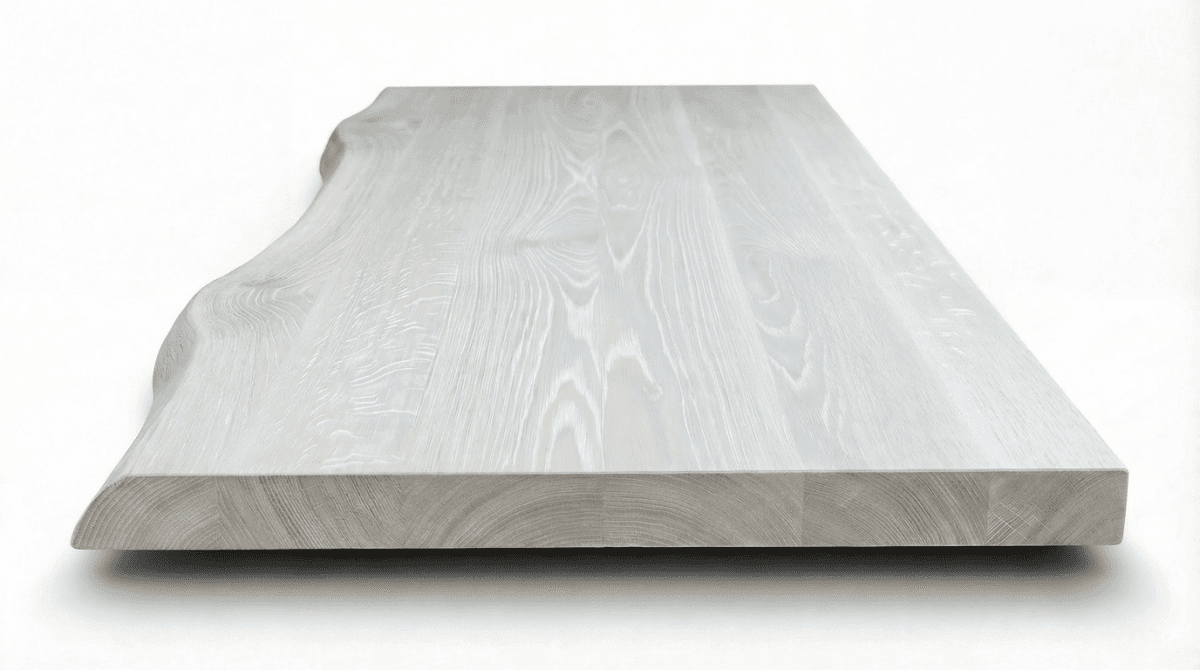
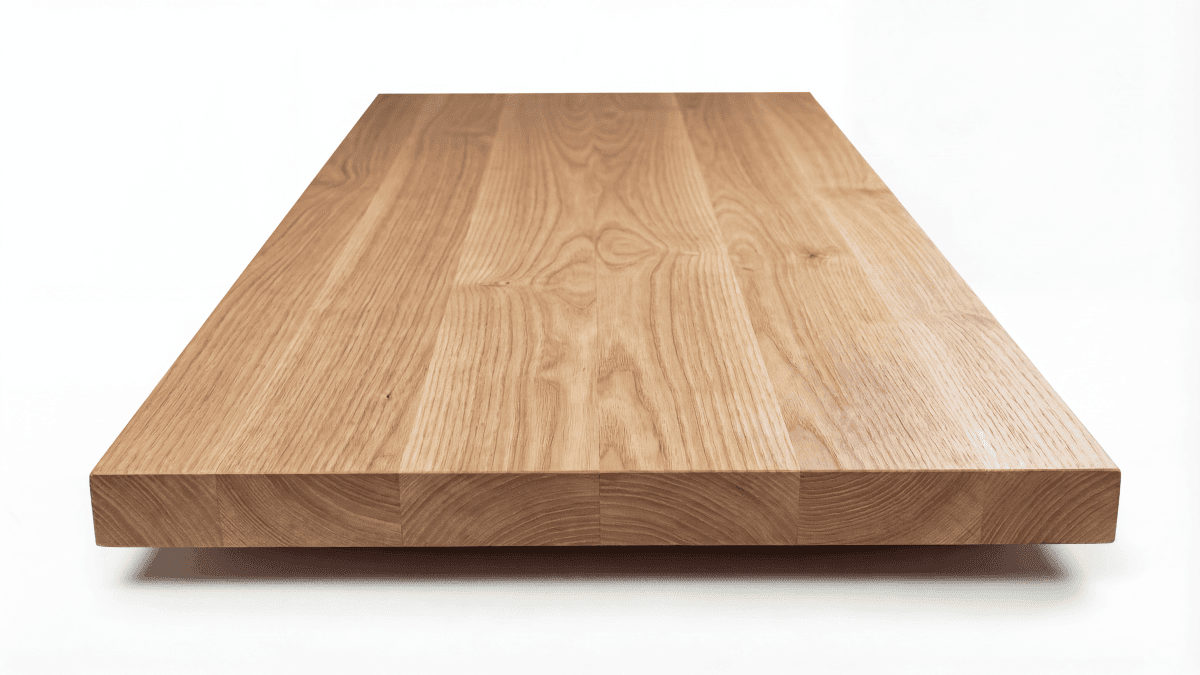
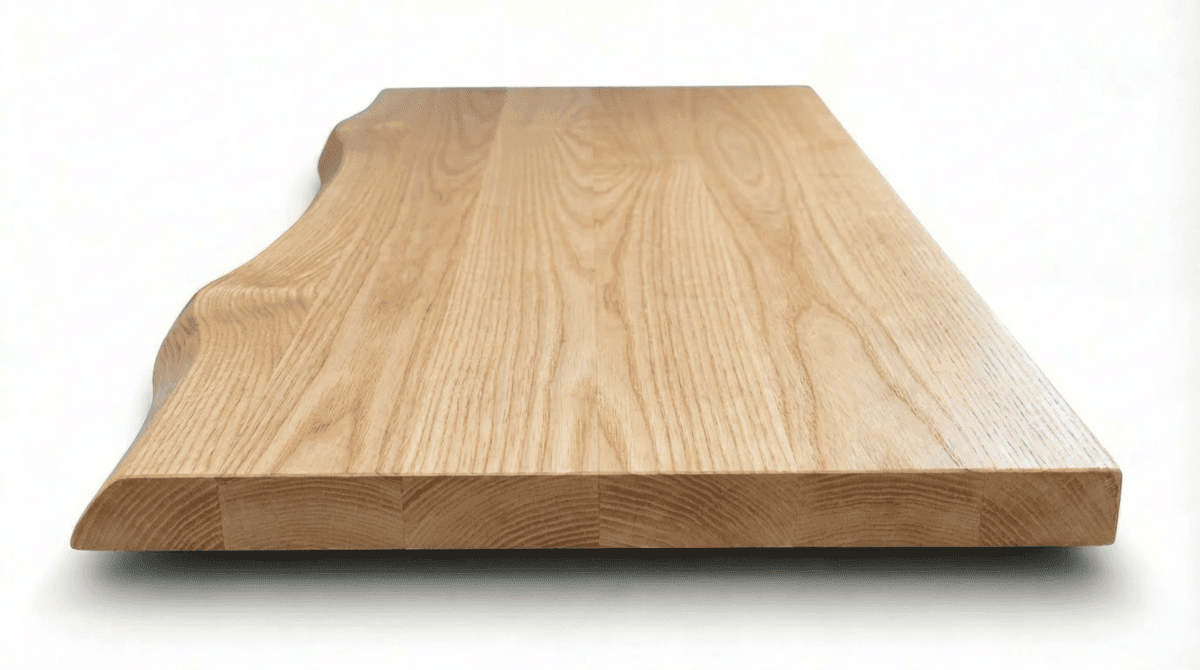
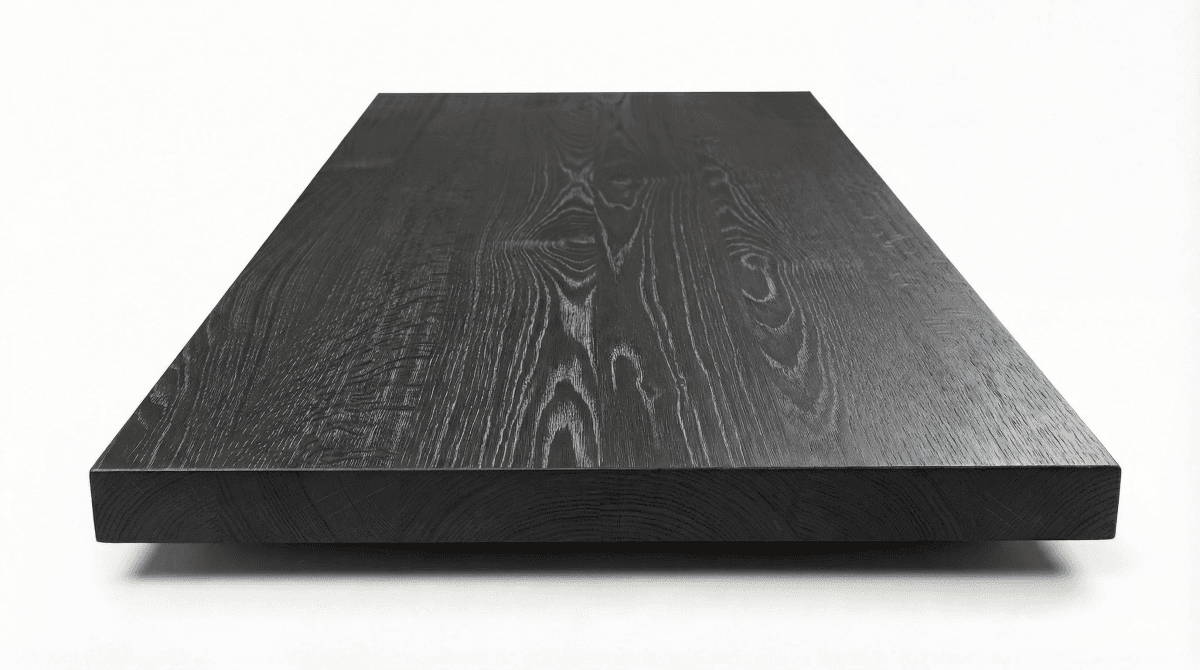
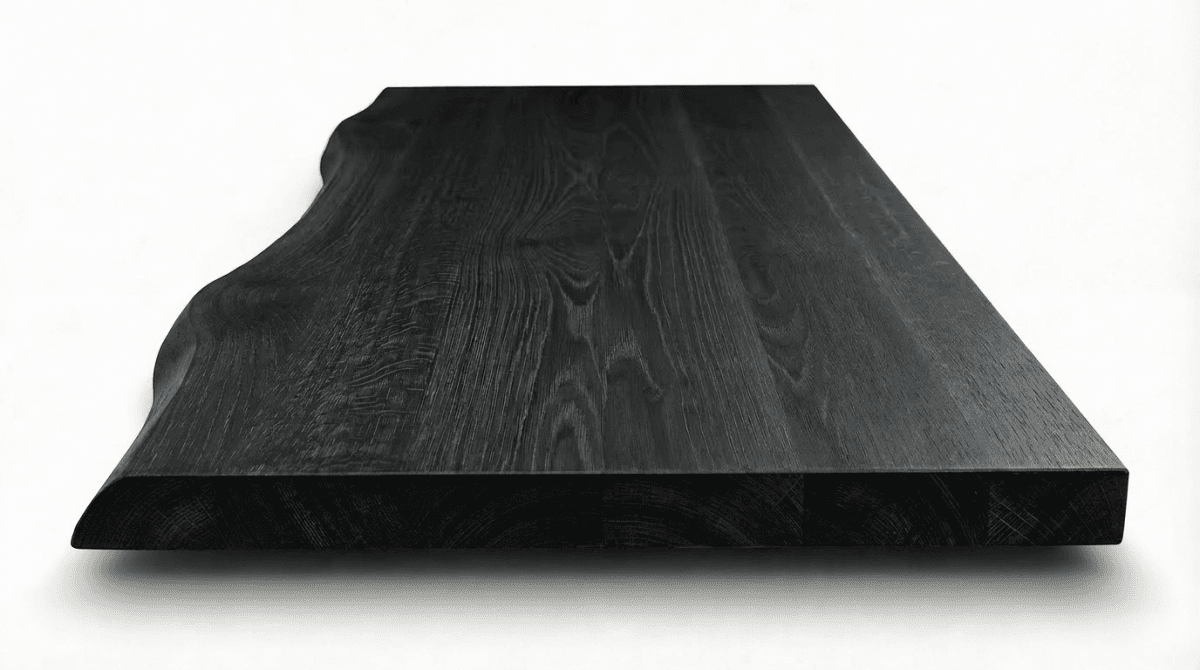
Most wood counters sold online are “butcher block”: narrow strips of lumber glued side by side. What we build is different — wide face-grain staves of solid hardwood, the construction furniture makers use when the wood itself is the feature.

Both are real wood, and we can mill either. Here’s an honest comparison so you can buy the right one for your kitchen.

The Difference Is the Cut

Butcher block: built for the knife

Traditional butcher block is edge grain (strips on edge) or end grain (the checkerboard chopping block). The format was invented for butcher shops: a dense, forgiving surface you cut on directly, sand down, and re-oil on a schedule.

The trade-off is the look. Narrow strips repeat every inch or two, so the surface reads as a pattern of small pieces rather than the natural figure of the tree. Big-box butcher block is often finger-jointed short offcuts, which amplifies the patchwork.

Wide-stave solid wood: built for the eye

A wide-stave (face grain) top is made of full-width boards, hand-picked and arranged so the cathedral grain flows across the surface. It’s the same solid hardwood all the way through — never veneer — but it reads like one continuous piece of furniture.

This is what we build for kitchen counters, islands, bars, and vanities: milled to your exact size, sealed with a food-safe zero-VOC hardwax oil, and refinishable for generations. Use a cutting board on it, the way you would on stone.

How to Choose

Choose butcher block if…

You want a dedicated chopping surface you’ll cut on daily — a baking station, a prep zone, a workbench. Function first, pattern second. We build both formats: choose Edge Grain or End Grain construction in the Builder and it prices live at your exact size, in any species we stock — even a two-species checkerboard.

Choose wide-stave solid wood if…
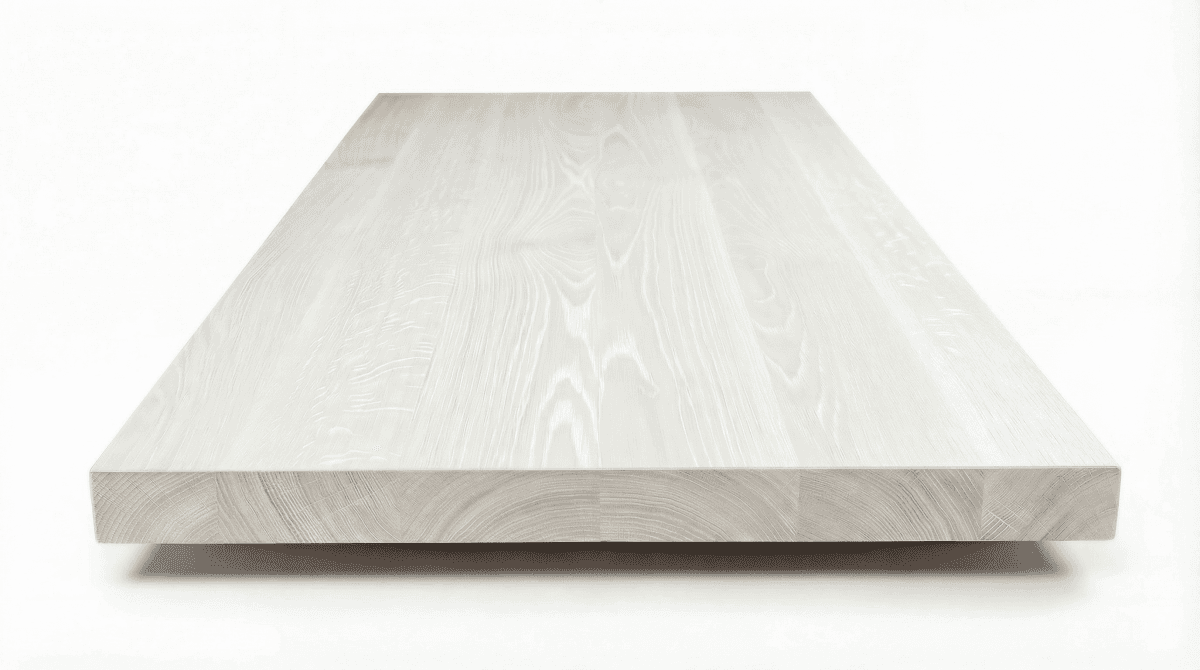
The counter is the centerpiece: an island, a bar, a full kitchen run. You want the grain of walnut or white oak doing the talking, a finish that wipes clean without a maintenance calendar, and a surface that sands back to new decades from now. Price your exact size in the Builder.

View all hardwood countertops
Questions

Butcher Block vs. Solid Wood FAQ

The questions we answer most when shoppers compare butcher block with our wide-stave solid hardwood tops.

Is butcher block solid wood?
Yes — butcher block is real solid wood, just assembled from narrow strips glued on edge or on end. “Solid wood countertop” in our shop means something more specific: wide face-grain staves of hand-picked hardwood, so the surface shows continuous natural grain instead of a strip pattern.
Which is more durable, butcher block or a wide-stave top?
Both are durable for decades and both can be sanded and refinished. End-grain butcher block is the most forgiving to cut on directly; a wide-stave top sealed with our hardwax oil is more resistant to spills and staining and needs no oiling schedule. For a kitchen counter you don’t chop on, wide stave is the easier surface to live with.
Can you cut directly on a solid wood countertop?
On a face-grain top we don’t recommend it — knife marks will show, just as they would on stone. If you want a surface built for the knife, choose End Grain construction in the Builder: the true chopping build, where cuts slip between the standing fibers and the surface hides use.
Is butcher block cheaper than solid wood countertops?
Mass-produced butcher block from big-box stores is cheaper because it’s made from short finger-jointed offcuts in standard sizes. A custom wide-stave top costs more because every board is full-length, hand-picked, and milled to your exact dimensions — see real prices on our Pricing page or price your size in the Builder.
Do you make butcher block countertops?
Yes — priced live, right in the Builder. Choose Edge Grain (the linear strips most butcher block actually is) or End Grain (the checkerboard chopping build, up to 6″ thick) under the Construction step, in any species we stock, including two-species blends like the classic walnut-and-maple checkerboard.
What finish should a wood countertop have?
Ours ship with a food-safe, 100% VOC-free hardwax oil cured under LED-UV light: spill-resistant, repairable in place, and with no re-oiling calendar. A traditional butcher block you cut on is usually left in raw mineral oil, which needs regular reapplication.
Do you take on custom or one-off projects?
Yes. Beyond the online builder, we take on custom sizes, oversized pieces, matched commercial runs, and bespoke solid-hardwood millwork. Tell us what you have in mind and we’ll quote it by hand, usually within one business day. Start a custom project ›
Solid Hardwood · Made in New York

Built to spec, and built to last.

Price Your Countertop
Made in Farmingdale, NY
Made to order
100% zero-VOC finishes
Responsibly sourced hardwood
Lead time 5–6 weeks